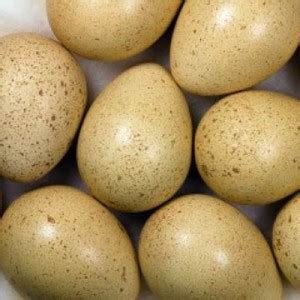
Phesant Hatching Eggs
$15.00
Premium Guide to Pheasant Hatching Eggs: Everything You Need to Know
If you’re looking to raise vibrant, healthy pheasants, starting with high-quality Phesant Hatching Eggs is the most important step. Whether you’re a game bird enthusiast, small-scale farmer, or hobby breeder, selecting fertile eggs from reputable bloodlines directly impacts hatch rates, chick vitality, and long-term flock success.
This comprehensive guide will walk you through sourcing, storing, incubating, and caring for pheasant eggs while helping you make informed purchasing decisions.
Pheasant hatching eggs are fertile eggs ideal for incubation and rearing. Pheasants are game birds known for their colorful plumage and are widely raised for conservation and sport hunting purposes. To learn more about pheasants in general, visit this overview on Wikipedia
Why Start with Quality Fertile Pheasant Eggs?
The foundation of a successful hatch begins long before incubation. Fertility rates, genetics, and handling practices all influence your outcome. Premium Phesant Hatching eggs typically come from carefully managed breeding pens where nutrition, biosecurity, and selective pairing are prioritized.
High-grade hatching eggs offer:
- Stronger hatch rates
- Healthier chicks with better survival odds
- Improved feather coloration and size
- Reduced risk of deformities
- Better adaptability to different climates
Inferior eggs, by contrast, often result in poor hatch percentages and weak chicks. Investing in quality at the beginning saves time, money, and frustration later.
Popular Phesant Hatching Eggs Varieties for Hatching
When choosing eggs, it’s important to understand the breed you’re working with. Different varieties have unique characteristics, growth patterns, and uses.
1. Ring-Necked Pheasant
The most common game bird in North America, the Ring-necked Pheasant is prized for hunting preserves and meat production. They are hardy, adaptable, and ideal for beginners.
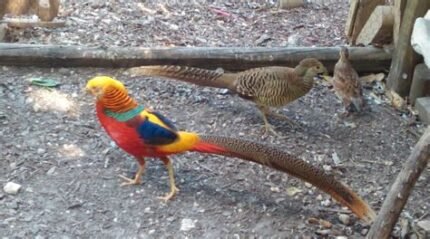
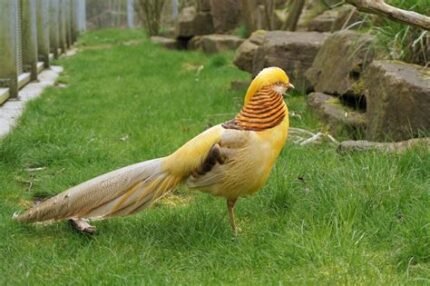
2. Golden Pheasant
The brilliantly colored Golden Pheasant is primarily raised for ornamental purposes. Their striking red and gold plumage makes them a favorite among aviary enthusiasts.
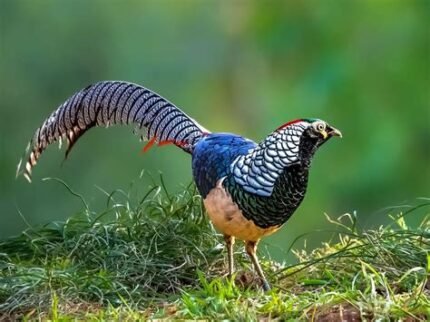
3. Lady Amherst’s Pheasant
Known for its dramatic black-and-white cape, the Lady Amherst’s Pheasant is another ornamental breed valued for visual appeal.
Selecting the right breed depends on whether you’re raising birds for meat, release programs, conservation, or exhibition.
Selecting the Best Eggs for Incubation
When purchasing eggs for hatching, keep the following criteria in mind:
Shell Quality
Look for clean, intact shells without cracks, thin spots, or unusual shapes. Shell integrity protects the embryo and supports proper moisture retention.
Egg Size and Shape
Uniform size and normal oval shape indicate healthy breeding stock. Extremely small or oversized eggs may produce weaker chicks.
Fertility Guarantee
Reputable breeders often provide a fertility guarantee. While hatch rates can vary due to incubation conditions, eggs from well-managed flocks typically yield better results.
Proper Storage Before Incubation
Once your eggs arrive, proper storage is essential to maintain viability.
- Store at 55–60°F (13–16°C)
- Maintain humidity around 70–75%
- Keep eggs pointed end down
- Turn gently once or twice daily
- Do not store longer than 7–10 days
The fresher the eggs, the higher the expected hatch rate.
Incubating Game Bird Eggs Successfully
Successful incubation requires precision and consistency. Even small fluctuations can affect embryo development.
Temperature
Maintain a steady 99.5°F (37.5°C) in a forced-air incubator.
Humidity
Keep humidity at 45–50% during the first 21–22 days, increasing to 65–70% for the final three days (lockdown).
Turning
Turn eggs at least 3–5 times daily until day 21. Automatic turners simplify this process and reduce human error.
Incubation Period
Most Phesant Hatching Eggs hatch in 23–25 days, depending on breed and environmental factors.
Candling at day 7–10 helps identify fertile eggs and remove non-viable ones.
Hatch Day: What to Expect
As hatch day approaches, you may hear peeping from inside the shells. Avoid opening the incubator during this stage, as humidity drops can cause chicks to shrink-wrap inside the shell.
Once hatched:
- Allow chicks to dry fully inside the incubator
- Transfer to a pre-warmed brooder (95°F initially)
- Provide fresh water and game bird starter feed
Healthy chicks should appear alert, active, and fluffy.
Brooding and Early Care
The first six weeks are critical for survival and development.
Temperature Management
Reduce brooder temperature by 5°F each week until fully feathered.
Nutrition
Use a high-protein (28–30%) game bird starter feed. Proper protein levels promote strong growth and feather development.
Space Requirements
Avoid overcrowding. Provide adequate space to prevent stress and pecking issues.
Biosecurity
Limit exposure to other birds and maintain clean bedding to reduce disease risk.
Common Challenges and How to Avoid Them
Even with proper care, issues may arise.
Low Hatch Rates
Often caused by:
- Improper storage
- Temperature fluctuations
- Incorrect humidity
- Poor egg fertility
Weak Chicks
May result from nutritional deficiencies in breeding stock or inconsistent incubation conditions.
Late or Early Hatching
Typically linked to incorrect temperature settings.
Monitoring conditions carefully and using calibrated equipment significantly improves outcomes.
Shipping Considerations for Fertile Eggs
Shipping can affect hatch success. When ordering Phesant Hatching Eggs online:
- Choose express shipping options
- Allow Phesant Hatching Eggs to rest 12–24 hours before incubation
- Inspect Phesant Hatching Eggs immediately upon arrival
Some minor hatch loss is normal due to transportation stress, but careful packaging minimizes damage.
Raising Pheasants for Different Purposes
Depending on your goals, your management strategy will vary.
For Hunting Preserves
Focus on hardy breeds with strong flight ability and predator awareness.
For Meat Production
Select fast-growing lines with good feed conversion.
For Ornamental Aviaries
Choose visually striking breeds and prioritize spacious enclosures.
Clear goals help you choose the right breeding stock and maximize results.
Tips for Improving Hatch Rates
To consistently improve success:
- Purchase Phesant Hatching Eggs from established breeders
- Use high-quality incubators
- Calibrate thermometers and hygrometers
- Maintain detailed incubation records
- Avoid washing eggs unless absolutely necessary
Small adjustments can significantly increase overall hatch percentages over time.
Why Source Phesant Hatching Eggs from Reputable Breeders?
A trusted supplier focuses on:
- Genetic quality
- Proper nutrition
- Disease prevention
- Careful egg handling
- Honest customer support
Established breeders understand the importance of strong fertility and healthy chicks. Reviews, testimonials, and transparent policies are good indicators of reliability.
Final Thoughts on Starting with Fertile Phesant Hatching Eggs
Whether you’re launching a breeding program or expanding your flock, starting with carefully selected Phesant Hatching Eggs gives you the best chance at success. Attention to storage, incubation precision, and early chick care all play vital roles in achieving strong hatch rates and raising healthy birds.
By focusing on quality, preparation, and proper technique, you can build a thriving pheasant flock that meets your goals—whether for conservation, hunting, meat production, or ornamental display.
Invest wisely, monitor conditions carefully, and enjoy the rewarding experience of hatching and raising these remarkable birds.