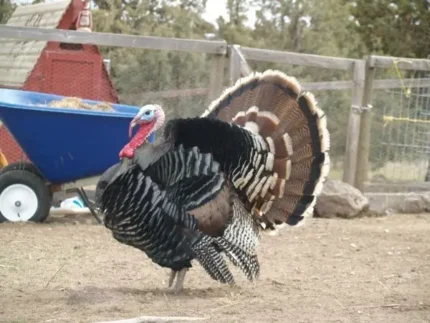

ocellated turkey eggs for sale
Price range: $300.00 through $1,800.00
Buy Ocellated Turkey Eggs for Sale: Complete Guide to Purchasing, Incubation, and Care
Ocellated turkey eggs represent one of the rarest hatching options for poultry enthusiasts and conservation-minded breeders, offering a unique opportunity to work with Meleagris ocellata—a Near Threatened species native to the Yucatán Peninsula. Many buyers struggle to locate ethically sourced fertile eggs, navigate shipping regulations, and master incubation protocols that differ subtly from domestic turkey breeds. This guide delivers clear purchasing strategies, detailed incubation parameters, best practices for poult and adult care, conservation insights, egg comparisons, and technical resources for visual and structured-data support. You will learn where to buy viable eggs, how to hatch them in a 28-day cycle, care for hatchlings through adulthood, contribute to ethical sourcing, and leverage images, videos, and schema markup to document your journey.
Where Can You Buy Ocellated Turkey Eggs and What Should You Know?
Purchasing fertile ocellated turkey eggs requires careful vetting of breeders and legal compliance to ensure both viability and conservation support. Ethical suppliers provide permit documentation, breeding program details, and hatch-rate guarantees. Understanding price ranges, sourcing protocols, shipping options, and top-rated sellers forms the foundation for a successful acquisition.
What Are the Typical Prices for Ocellated Turkey Eggs?
Prices for ocellated turkey eggs generally range from $200 to $400 per egg, reflecting rarity and hatchability assurances. Below is a summary of market offerings:
| Seller Name | Price Range | Quantity Unit | Fertility Guarantee |
|---|---|---|---|
| Regional Breeder A | $200–$250 per egg | Single eggs | 85% viability |
| Exotic Poultry Co. | $275–$350 per egg | Pack of 5 | 90% viability |
| Conservation Farms | $300–$400 per egg | Pack of 3 | 95% viability |
Egg pricing varies by batch size and breeder reputation, guiding buyers toward transparent breeders with documented hatch rates.
How to Verify Ethical and Legal Sourcing of Ocellated Turkey Eggs?
Verifying ethical sourcing means confirming that breeders operate under wildlife regulations and conservation guidelines. Start by requesting breeding program records, permit numbers, and CITES compliance statements. Key verification steps include:
- Reviewing state and federal wildlife permits for breeding and sales.
- Confirming membership in aviculture associations dedicated to exotic species.
- Requesting documented hatch-rate history to ensure captive breeding rather than wild collection.
- Checking for endorsements from conservation organizations.
These steps protect both buyer interests and species welfare by reinforcing sustainable breeding practices.
What Are the Shipping Options and Regulations for Ocellated Turkey Eggs?
Egg shipment must comply with agricultural and wildlife transport regulations to maintain viability and legality. Air freight with climate-controlled packaging is most common for long distances, while ground transport suits regional deliveries. Primary shipping considerations:
- Temperature control between 35°F and 45°F during transit.
- Permits for interstate or international egg movement.
- Insulated packaging with cushioning to prevent jostling.
- Carrier accreditation for live-animal or egg shipments.
Choosing the proper shipping method and adhering to permit requirements preserves hatching potential and legal compliance.
Which Sellers Offer High-Quality Fertile Ocellated Turkey Eggs?
High-quality suppliers distinguish themselves through transparent breeding records, veterinary health checks, and customer testimonials. Look for breeders who:
- Provide detailed parent stock lineage for genetic diversity.
- Maintain biosecure facilities to minimize disease risk.
- Offer fertility certificates and post-shipment incubation support.
Selecting a reputable seller increases hatch rates, fosters trust, and supports conservation-focused breeding programs.
How Do You Incubate Ocellated Turkey Eggs Successfully?
Incubation of ocellated turkey eggs involves precise control of temperature, humidity, and turning schedules to mimic maternal conditions and promote healthy embryo development. A forced-air incubator calibrated to species-specific parameters yields consistent hatch results.
What Is the Ideal Temperature and Humidity for Ocellated Turkey Egg Incubation?
Optimal incubation settings balance embryo metabolism and shell moisture exchange.
| Incubation Stage | Temperature (°F) | Humidity (%) | Duration |
|---|---|---|---|
| Pre-Incubation | 99.5°F | 50–60 | First 25 days |
| Lockdown Phase | 99.5°F | 65–70 | Last 3 days |
Maintaining 99.5°F with gradual humidity increase prevents dehydration and supports pipping, directly influencing hatch success.
How Long Is the Incubation Period for Ocellated Turkey Eggs?
Ocellated turkey eggs require a consistent 28-day incubation period, during which embryo organogenesis and feather development occur. This timeframe aligns with wild hatching cycles and ensures full maturation before hatch.
What Is the Recommended Egg Turning Schedule and Candling Process?
Turning eggs prevents embryo adhesion to the shell membrane and promotes uniform development. Recommended practices:
- Turn each egg at least five times daily by rotating 45 degrees.
- Candle at day 7, 14, and 21 to assess fertility, air cell growth, and embryo positioning.
- Mark a “plus” and “minus” side for accurate turning tracking.
Regular turning and candling identify non-viable eggs early and optimize incubation conditions for healthy poults.
How Do You Manage the Lockdown Phase and Hatch Day?
Lockdown begins on day 25, when humidity is raised to 65–70% and turning stops to allow pipping. Provide minimal disturbances, ensure ventilation vents remain open, and monitor hatching progress. On hatch day, remove shell fragments promptly to prevent poult exhaustion and support immediate access to heat and water.
What Are Common Incubation Problems and How Can You Troubleshoot Them?
| Issue | Probable Cause | Troubleshooting Action |
|---|---|---|
| Excessive weight loss | Low humidity | Increase humidity by 5% increments |
| Pipped but not hatched | Poor ventilation | Open vents slightly and reduce crowding |
| Early embryonic death | Temperature spikes | Calibrate and validate incubator thermostat |
| Shell sticking | Inconsistent turning | Confirm turning schedule adherence |
Timely corrections maintain stable incubation conditions and prevent hatch failures.
What Are the Best Practices for Caring for Ocellated Turkey Poults and Adults?
Post-hatch care establishes a strong foundation for long-term health and successful breeding. Providing appropriate brooder conditions, diet formulations, and habitat enrichments reduces mortality and encourages natural behaviors.
How Do You Care for Newly Hatched Ocellated Turkey Poults?
Newly hatched poults require a brooder temperature of 95°F, clean water stations, and a starter feed containing 28% protein. Offer electrolytes and probiotics in water during the first week to support hydration and gut development. Maintaining gentle lighting and minimal drafts prevents chilling and stress.
What Is the Ideal Diet and Habitat for Adult Ocellated Turkeys?
Adult ocellated turkeys thrive on a diet of 18–20% protein game bird feed supplemented with whole grains and fresh greens. Providing 2–3 acres of mixed grassland and forest edge habitat allows natural foraging, dust-bathing, and roosting behaviors. Secure fencing and cover plantings reduce predation risk.
How Can You Establish a Successful Ocellated Turkey Breeding Program?
Building a robust breeding program begins with selecting genetically diverse stock, rotating breeding pairs annually, and monitoring fertility and hatch rates. Implement health screenings, maintain detailed pedigree records, and foster natural mating behaviors through habitat enrichment. Consistent record-keeping promotes genetic stability and program growth.
Why Is Conservation and Ethical Sourcing Important When Buying Ocellated Turkey Eggs?
Ethical sourcing underpins conservation by reducing pressures on wild populations and funding habitat protection. Buyers who prioritize sustainability contribute directly to species recovery and responsible aviculture.
What Is the Conservation Status of the Ocellated Turkey?
The Ocellated Turkey is classified as Near Threatened by the IUCN Red List due to habitat loss, hunting, and limited range. Current estimates place wild populations between 20,000 and 50,000 individuals with a decreasing trend.
Conservation of the Ocellated Turkey and its Behavioral Responses to Habitat AlterationThe Ocellated Turkey (Meleagris ocellata) is a Neotropical galliform species of conservation concern due to its exposure to a rapidly changing environment. This thesis aims to achieve two primary objectives: 1) to enhance our comprehension of the natural history of the Ocellated Turkey (Meleagris ocellata), and 2) to document the behavioral responses of this species across varying degrees of anthropogenic habitat modification. Chapter One details a radiotelemetry study conducted on adult males. This investigation is theResponses of the Ocellated Turkey (Meleagris ocellata) to human disturbance, Unknown Author, 2017
How Does Ethical Sourcing Support Ocellated Turkey Conservation?
Purchasing eggs from certified breeding programs channels resources into breeding-ground restoration and anti-poaching initiatives. Ethical sourcing reduces the incentive for wild-capture trade and encourages community-led conservation partnerships.
What Are Sustainable Breeding Practices for Meleagris ocellata?
Sustainable breeding includes rotating breeding pairs to maintain genetic diversity, using controlled-mating enclosures to prevent inbreeding, and releasing surplus poults into protected reserves. Regular health screenings and habitat simulations foster natural behaviors and minimize stress.
How Can Buyers Contribute to Conservation Through Their Purchases?
By choosing breeders who allocate a portion of sales to conservation funds and community education, buyers help finance habitat restoration and monitoring programs. Transparent sales practices and donor acknowledgments reinforce trust and long-term species protection.
How Do Ocellated Turkey Eggs Compare to Other Turkey and Exotic Bird Eggs?
Ocellated turkey eggs stand out for their speckled shells, nutritional profile, and incubation sensitivity compared to domestic turkey or game bird eggs. Understanding these distinctions guides proper handling and highlights their rarity.
What Makes Ocellated Turkey Eggs Unique in Appearance and Nutrition?
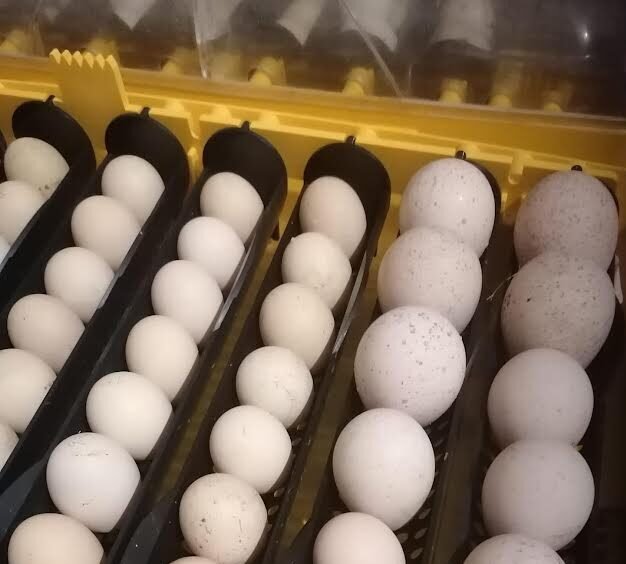
Ocellated turkey eggs feature cream to tan speckled shells measuring 65–75 g each, with a higher yolk-to-white ratio that increases nutrient density. Their protein content averages 13 g per egg, supporting robust embryo growth and offering gourmet culinary value.
How Does Ocellated Turkey Egg Incubation Differ from Domestic Turkey Eggs?
| Parameter | Ocellated Turkey Egg | Domestic Turkey Egg |
|---|---|---|
| Incubation Duration | 28 days | 28 days |
| Humidity Range (Early) | 50–60% | 45–55% |
| Hatch Rate (Average) | 75–85% | 85–90% |
| Temperature Sensitivity | ±0.5°F tolerance | ±1.0°F tolerance |
Ocellated eggs demand tighter humidity control and often yield slightly lower hatch rates under identical conditions.
Ocellated Turkey Home Range Movements for Population Monitoring and Reserve PlanningPopulations of the Ocellated Turkey (Meleagris ocellata), … To facilitate sustainable landscape planning for the Ocellated Turkey, our study comprised two major objectives…… of male breeding-season home range movements for population monitoring and minimum reserve area of the Ocellated Turkey (Meleagris ocellata), a threatened …, R Buchholz, 2018
Why Are Ocellated Turkey Eggs Considered Rare and Valuable?
Their limited wild range, specialized breeding requirements, and contribution to conservation efforts elevate demand. As a result, these eggs command premium prices and represent both a unique cultivation challenge and a conservation investment.
What Are the Most Frequently Asked Questions About Buying and Incubating Ocellated Turkey Eggs?
Common inquiries revolve around hatch schedules, legal protection, cost considerations, and natural habitat, reflecting buyer concerns about feasibility and compliance. Understanding these points helps new breeders prepare effectively.
How Long Do Ocellated Turkey Eggs Take to Hatch?
Ocellated turkey eggs hatch in 28 days when incubated at 99.5°F with proper humidity control.
Are Ocellated Turkeys Endangered or Protected?
The species is classified as Near Threatened by the IUCN and protected under regional wildlife regulations that require permits for egg and bird ownership.
Can You Legally Buy and Ship Ocellated Turkey Eggs?
Legal purchase and shipment demand state and federal wildlife permits, along with compliance to CITES or equivalent regulations in importing countries.
How Much Do Ocellated Turkeys and Their Eggs Cost?
Egg prices range from $200 to $400 each, while adult birds may sell for $1,100 to $1,400 depending on age and genetic quality.
Where Do Ocellated Turkeys Naturally Live?
Wild ocellated turkeys inhabit tropical forests and woodlands across the Yucatán Peninsula in Mexico, Belize, and Guatemala.
What Visual and Technical Resources Support Successful Ocellated Turkey Egg Hatching?
Leveraging high-quality imagery, instructional videos, and structured-data markup enhances documentation and knowledge sharing, while supporting search visibility for hatching guides.
Which Images and Videos Best Illustrate Ocellated Turkey Eggs and Incubation?
Educational visuals include:
- High-resolution close-ups of speckled eggs in nest trays.
- Time-lapse videos of candling at key incubation milestones.
- Demonstrations of lockdown humidity adjustment and hatch assistance.
How to Use Structured Data Markup for Ocellated Turkey Eggs and Incubation Guides?
Implement schema for egg listings with properties like , , and . Apply schema to incubation articles by defining , , and details. Using schema for buyer questions enhances rich-snippet eligibility.
What Are the Best Practices for Image ALT Text and Filenames for SEO?
Descriptive ALT text and filenames anchor visual content to relevant entities and attributes:
- ALT Example: “Speckled Ocellated Turkey egg in a humidity-regulated incubator tray”
- Filename Example: ocellated-turkey-egg-incubator-setup.jpg
Ocellated turkey eggs offer a rare breeding challenge that rewards meticulous preparation, ethical sourcing, and precise incubation practices. By following these guidelines on purchasing, hatching, care, conservation, comparisons, and technical documentation, breeders can achieve higher hatch rates, support species preservation, and fully realize the potential of Meleagris ocellata eggs. Explore our curated selection of fertile eggs and detailed guides to begin your conservation-focused aviculture journey today.
| Select Quantity |
Half Dozen (6 eggs) ,Dozen (12 eggs) ,One-third Dozen (4 eggs) ,Quarter Dozen (3 eggs) |
|---|---|
| Select |
Unsexed Eggs ,Sexed Eggs |
Related products
Broad Breasted Bronze Turkeys
Chocolate Turkeys For Sale
Royal Palm Turkeys