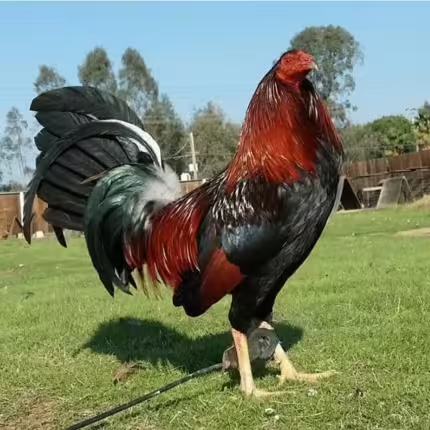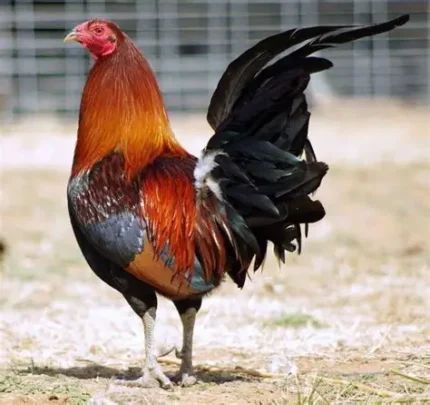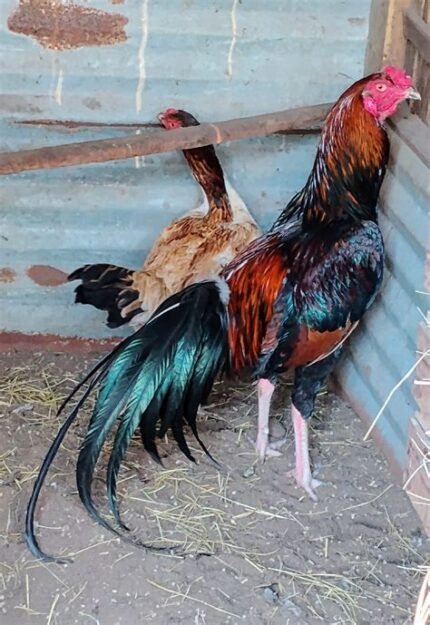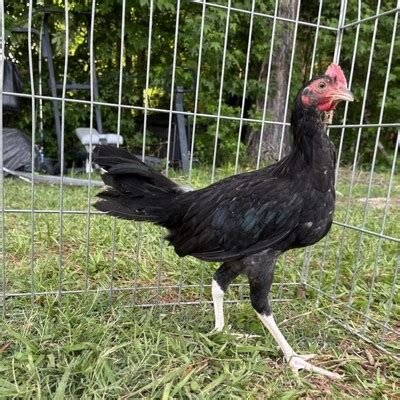
CARDINAL KELSO GAMEFOWL for sale
Price range: $500.00 through $1,500.00
Looking for top-quality Cardinal Kelso Gamefowl for Sale? At Gamefowls and Turkeys, we offer premium Cardinal Kelso gamefowl known for their strength, speed, and excellent breeding potential. These birds are perfect for breeders and gamefowl enthusiasts looking to enhance their flock with strong genetics. Browse our selection today and add a superior Cardinal Kelso gamefowl to your breeding program!
Cardinal Kelso Gamefowl: A Legacy of Distinction, Breeding, and Stewardship
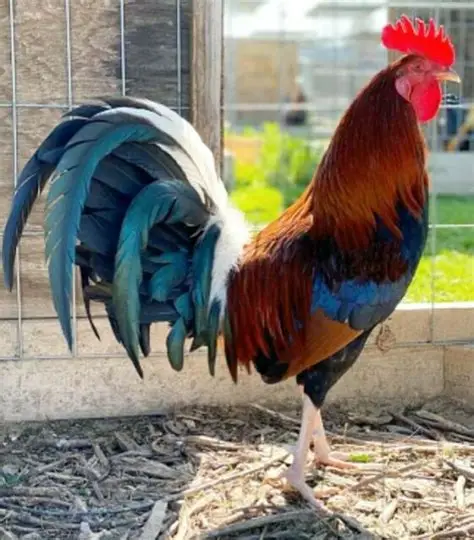
The Cardinal Kelso Gamefowl stands as a distinguished American gamefowl lineage, celebrated for its captivating dark plumage, vibrant yellow legs, and signature red-tinged head. This breed embodies a remarkable blend of striking aesthetics, sharp intellect, and remarkable adaptability, making it a prized choice for exhibition and the vital work of heritage preservation. As of October 2025, dedicated breeders are focused on preserving its unique stance and strategic prowess, while championing responsible stewardship and the enrichment of genetic diversity. Within this comprehensive guide, you will delve into the defining characteristics of the Cardinal Kelso Gamefowl, understand its unique place among other Kelso variants, and explore the rich historical roots of this crimson-crowned strain. You will uncover Walter A. Kelso’s foundational breeding philosophy, master step-by-step techniques for solidifying key traits, and implement optimal nutrition and housing strategies. Furthermore, you will examine the standards for showcasing these birds, the collaborative efforts in heritage preservation, and the ethical considerations crucial for safeguarding this breed’s future. Finally, we address common inquiries and draw comparisons with other American gamefowl breeds, empowering you to make well-informed decisions for breeding, exhibition, and enduring stewardship.
Unveiling the Cardinal Kelso Gamefowl: Defining Its Unique Identity
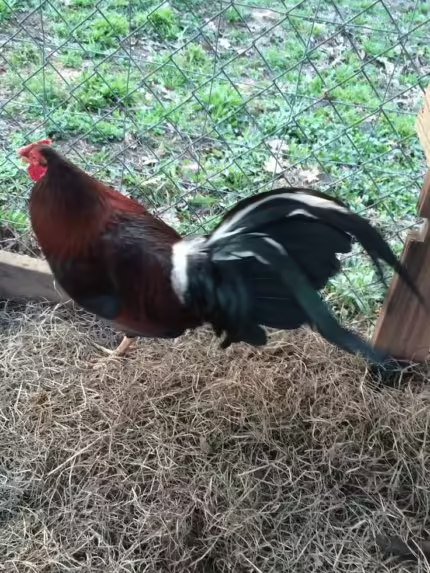
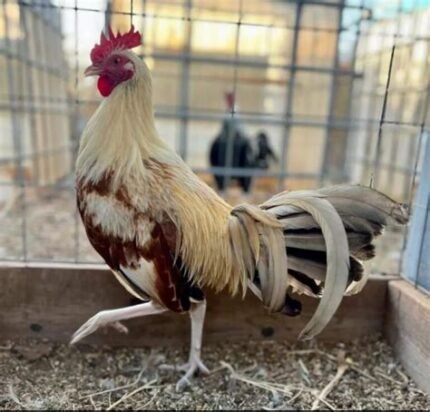
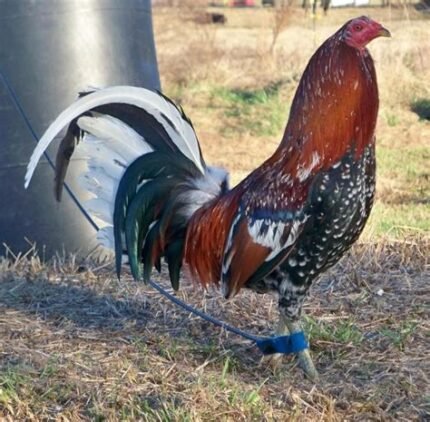
The Cardinal Kelso Gamefowl is a specialized Kelso strain, distinguished by its deep, dark body feathers, bright yellow legs, and a striking red or ginger head, all meticulously developed through selective breeding to enhance both exhibition appeal and robust vitality. This lineage was born from the strategic pairing of high-station Kelso birds with red-facial bloodlines, a deliberate effort to refine its characteristic fighting style and distinctive visual presence. Enthusiasts hold the Cardinal Kelso in high regard for its keen alertness, elegant leg carriage, and well-balanced musculature, solidifying its status as a standout in heritage preservation circles and competitive show arenas.
The signature coloration and temperament of the Cardinal Kelso were achieved through generations of selective pairing, uniting deep-red–faced Kelso lines with darker-feathered ancestors. Over successive generations, breeders diligently preserved intelligence and adaptability by meticulously evaluating each bird’s station, breaking ability, and responsiveness to human interaction. These core attributes form the very essence of the Cardinal Kelso Gamefowl’s identity, laying the groundwork for its enduring legacy and established breeding practices.
Distinguishing the Cardinal Kelso from Other Kelso Gamefowl Variants
To clearly illustrate how the Cardinal Kelso distinguishes itself from variants like the Jumper and Out and Out Kelso, consider these key attributes:
- Plumage: The Cardinal Kelso boasts a striking red head and darker body plumage, a stark contrast to the Jumper’s varied speckling and the Out and Out’s uniformly colored feathers.
- Station and Carriage: The Cardinal Kelso is characterized by a higher body position and carriage, setting it apart from the Jumper’s lower stance and the Out and Out’s more balanced frame.
- Fighting Style: The Cardinal Kelso prioritizes strategic timing and precise cutting ability, differing from the Jumper’s quick, aggressive rushes and the Out and Out’s focus on endurance-based attacks.
These defining distinctions serve as essential guidance for breeders aiming to select Cardinal Kelso birds for exhibition scenarios where both visual impact and tactical performance are paramount.
Key Physical Characteristics of the Cardinal Kelso Gamefowl
The Cardinal Kelso Gamefowl presents a compelling combination of color, conformation, and anatomical features that collectively define the breed’s aesthetic appeal and functional prowess.
| Plumage Coloration | Dark body feathers complemented by a vibrant red or ginger head and neck | Significantly enhances show ring presence and breed recognition |
|---|---|---|
| Leg Color | Bright, clear yellow legs | A strong indicator of genetic purity and authentic bloodline heritage |
| Comb Types | Typically a pea comb or a straight comb | Reflects a healthy circulatory system and adherence to breed standards |
| Body Station | A proud, high carriage with sleek, well-defined leg lines | Facilitates superior mobility and a strategic fighting style |
| Feather Quality | Smooth, glossy texture that reflects good health | A clear sign of proper nutrition and overall well-being |
These defining traits collectively underscore the Cardinal Kelso’s unique blend of beauty and performance, reinforcing its esteemed status as a heritage breed deserving of meticulous preservation.
The Historical Genesis of the Cardinal Kelso Lineage
The Cardinal Kelso lineage traces its origins to the mid-20th century, specifically to the innovative breeding efforts of Texan breeder Walter A. Kelso. He embarked on experiments involving red-facial Kelso crosses, aiming to accentuate head coloration and station. By the 1950s, distinct red-headed brood stock began to emerge, and breeders like Lois Duan further refined this variant, known as the “Cardinal Club Kelso,” through carefully controlled matings that emphasized color consistency and desirable temperament. This historical progression mirrors the broader tradition within American gamefowl breeding—a commitment to selective refinement to achieve both striking visual distinction and formidable fighting prowess.
Walter Kelso’s original Kelso flock was characterized by a variety of leg colors and plumage patterns. By focusing intently on red facials and yellow legs, he successfully isolated birds that exhibited exceptional strategic timing and tenacity. Subsequent generations solidified these refined features into the distinct Cardinal Kelso identity, forging a powerful link between historical innovation and contemporary breeding programs dedicated to heritage-focused exhibitions.
Walter A. Kelso: The Visionary Breeder and His Philosophy
Walter A. Kelso was a profoundly influential gamefowl breeder from Texas whose philosophy centered on continuous improvement through meticulous selective mating. This approach firmly established the Kelso bloodline as a benchmark for intelligence, adaptability, and superior station. He firmly believed that by refining conformation, temperament, and cutting ability in each successive generation, he could produce birds capable of both exceptional strategic performance and outstanding exhibition quality.
Kelso placed significant emphasis on the systematic evaluation of each bird’s breaking ability, alertness, and leg carriage. By consistently prioritizing birds that demonstrated keen responses, a high station, and sound physical structure, he successfully cultivated a durable and highly regarded bloodline that continues to shape modern Cardinal Kelso breeding and vital heritage-preservation efforts.
Walter Kelso’s Method for Developing the Kelso Bloodline
Walter Kelso meticulously developed the Kelso bloodline by sourcing a diverse array of gamecock strains and applying exceptionally rigorous selection criteria, with a keen focus on station, leg conformation, and strategic fighting style.
- He began by acquiring sturdy base stock exhibiting varied plumage and leg colors.
- He then meticulously evaluated each rooster and hen for critical traits such as station height, leg strength, and comb type.
- Through careful linebreeding, he worked to reinforce desirable traits, while simultaneously employing selective outcrossing to maintain robust genetic vigor.
These deliberate steps established a solid foundation for the emergence of distinct Kelso variants, including the celebrated Cardinal Kelso lineage, by artfully balancing refinement with sustainable genetic diversity.
Core Principles of Walter Kelso’s Breeding Philosophy
Walter Kelso’s influential breeding philosophy is anchored in three fundamental principles:
- Prioritize Intelligence and Game Sense: Select birds that exhibit prompt and strategic responses during sparring, demonstrating superior awareness and tactical thinking.
- Emphasize High Station and Sleek Leg Lines: Focus on birds with a proud, elevated stance and clean leg lines to ensure optimal mobility, balance, and a commanding presence in the show ring.
- Maintain Genetic Diversity: Employ controlled outcrossing to prevent the detrimental effects of inbreeding depression, thereby supporting long-term vigor and resilience within the bloodline.
These guiding principles continue to serve as the essential blueprint for modern breeders dedicated to preserving the Cardinal Kelso’s defining attributes and its significant historical importance.
Walter Kelso’s Enduring Impact on Modern Cardinal Kelso Breeding
Walter Kelso’s profound legacy continues to resonate within contemporary Cardinal Kelso breeding programs, primarily through the steadfast adherence to his original selection standards and refinement techniques. Breeders today meticulously evaluate station, comb type, and head coloration according to show criteria that directly echo Kelso’s initial vision. Modern preservation clubs actively uphold his emphasis on intelligence and adaptability by diligently documenting pedigrees, hosting distinguished heritage exhibitions, and facilitating the exchange of best-practice protocols for maintaining genetic health and ensuring ethical stewardship.
Mastering Cardinal Kelso Gamefowl Breeding: Bloodlines, Genetics, and Techniques
The art of breeding Cardinal Kelso Gamefowl involves the strategic selection and integration of Kelso, Sweater, and Hatch bloodlines. This careful approach is designed to reinforce highly desired traits such as high station, sleek legs, and superior cutting ability, all while diligently maintaining genetic diversity. By skillfully combining proven Kelso lines with complementary strains, breeders can optimize both the performance and visual consistency of their Cardinal Kelso offspring across successive generations.
Genetic selection within this breed focuses on heritable traits like pea-comb stability, vibrant leg color, and lustrous feather quality. Advanced techniques such as linebreeding are employed to intensify positive characteristics, while carefully controlled outcrossing serves to prevent inbreeding depression and promote overall flock health and vitality.
Essential Kelso Bloodlines and Their Genetic Contributions
The following foundational bloodlines contribute distinct and valuable genetic traits to the Cardinal Kelso breeding program:
- Kelso (Original): Imparts intelligence, a desirable high station, and a strategic fighting style.
- Jumper Kelso: Known for its quick offensive capabilities, a lower stance, and varied plumage patterns.
- Out and Out Kelso: Contributes an endurance focus, even coloration, and a balanced, sturdy frame.
- Sweater: Enhances speed and promotes sleek musculature with fine bone structure.
- Hatch: Adds significant power and cutting ability, characterized by robust shoulders and a deep keel.
The skillful blending of these diverse lines allows breeders to precisely calibrate the speed, power, and station of their Cardinal Kelso offspring.
Selective Breeding Techniques to Enhance Cardinal Kelso Traits
Effective selective breeding techniques for reinforcing the defining characteristics of the Cardinal Kelso include:
- Linebreeding: Mating closely related birds to concentrate and intensify desirable traits such as high station and pea-comb characteristics.
- Backcrossing: Reintroducing select parent genetics into offspring to effectively recover lost color patterns or refine station features.
- Performance Testing: Rigorously evaluating sparring responses and breaking ability to inform and guide future mating decisions.
These sophisticated approaches enable breeders to achieve a delicate balance between trait intensification and the maintenance of robust genetic health, ensuring the sustained vitality of the Cardinal Kelso lineage.
Improving Cardinal Kelso Through Crossbreeding with Sweater, Hatch, and Other Lines
Strategic crossbreeding with complementary strains offers a powerful method for refining specific Cardinal Kelso attributes:
- Incorporating Sweater lines can significantly boost speed and muscle tone, leading to more agile and dynamic movements.
- Hatch bloodlines contribute valuable power and cutting ability, enhancing overall sparring performance and effectiveness.
- Crosses with Roundhead or Albany lines can help to soften temperament and improve control over broodiness, making for more manageable birds.
These targeted crosses serve to enrich the Cardinal Kelso gene pool while diligently preserving its core identity and esteemed exhibition standards.
Optimal Care and Nutrition for Cardinal Kelso Gamefowl
Providing optimal care for Cardinal Kelso Gamefowl necessitates a holistic approach that integrates balanced nutrition, robust disease prevention protocols, and carefully tailored housing conditions. These elements are crucial for supporting peak breeding performance and ensuring the overall health of the flock. Consistent and diligent management practices are key to fostering strong muscle development, maintaining glossy plumage, and building sound immunity throughout each bird’s life cycle.
A well-formulated nutrition program is fundamental for promoting strong bone density and high-quality feathering. Simultaneously, proactive health measures are essential for minimizing mortality rates and preserving the genetic integrity of the flock. Thoughtful environmental design, encompassing ample space, effective ventilation, and appropriate lighting, further contributes to the birds’ well-being and their readiness for exhibition or breeding purposes.
Nutritional Requirements for Breeding and Growth in Cardinal Kelso
Cardinal Kelso feeding programs must be meticulously designed to supply essential macronutrients and micronutrients, adjusted for different life stages:
| Nutrient | Crucial Role | Recommended Dietary Sources |
|---|---|---|
| Protein (18–20%) | Essential for muscle development and robust feather growth | High-quality soybean meal, nutritious fish meal |
| Fats (5–8%) | Provide vital energy reserves and support healthy skin condition | Beneficial vegetable oils, nutrient-rich flaxseed |
| Calcium & Phosphorus | Critical for strong eggshell formation and overall bone strength | Oyster shell, finely ground bone meal |
| Vitamins A, D, E | Support immune function and provide antioxidant defense | Fortified feed premixes specifically designed for poultry |
| Trace Minerals | Facilitate enzyme function and contribute to vibrant feather pigmentation | Premixes containing zinc, manganese, and other essential trace minerals |
Implementing targeted feeding stages—starter, grower, and breeder—optimizes growth rates and maximizes reproductive success for Cardinal Kelso Gamefowl.
Managing Common Health Issues and Implementing Disease Prevention
Implementing comprehensive preventive health protocols is paramount for minimizing disease risks within Cardinal Kelso flocks:
- Adhere strictly to recommended vaccination schedules for critical diseases such as Newcastle disease, Marek’s disease, and fowl pox.
- Enforce rigorous biosecurity measures, including the use of footbaths at entry points and strict control over visitor access to the flock areas.
- Practice regular rotation of pasture or housing areas to effectively break parasite lifecycles and prevent infestations.
- Conduct frequent, thorough health checks to identify early signs of external parasites like mites and lice, as well as any respiratory symptoms.
Consistent monitoring of flock health and prompt consultation with veterinary professionals are essential for preserving flock vitality and ensuring genetic continuity.
Ideal Housing and Environmental Conditions for Cardinal Kelso
Creating a supportive and conducive environment for Cardinal Kelso Gamefowl involves attention to several key factors:
- Ample Space: Ensure a minimum of 4 square feet per bird within the coop and at least 8 square feet per bird in the outdoor run to allow for natural movement and behavior.
- Effective Ventilation: Maintain balanced airflow within the coop to effectively reduce ammonia buildup and prevent respiratory issues.
- Appropriate Lighting: Provide 12–14 hours of natural or supplemental light daily to help regulate breeding cycles and promote overall well-being.
- Comfortable Perches and Nest Boxes: Equip the coop with elevated roosting perches and secluded, comfortable nest boxes to enhance the birds’ sense of security and comfort.
These carefully managed conditions foster healthy behaviors, bolster robust immunity, and ensure the birds are optimally prepared for exhibition or breeding endeavors.
Exhibiting and Preserving Cardinal Kelso Gamefowl as a Cherished Heritage Breed
The exhibition and preservation of Cardinal Kelso Gamefowl as a heritage breed involve a dedicated commitment to show standards, ethical stewardship, and active community engagement. These efforts are crucial for ensuring the breed’s longevity and fostering broader public appreciation. By showcasing birds at sanctioned events and actively promoting the breed’s rich history, dedicated stewards maintain its cultural relevance and safeguard its genetic diversity.
Heritage preservation initiatives, encompassing meticulous pedigree documentation, the establishment of breed clubs, and strategic conservation crosses, play a vital role in protecting the future of the Cardinal Kelso while honoring the foundational legacy of Walter Kelso and the invaluable contributions of early breeders.
Show Standards for Exhibiting Cardinal Kelso Gamefowl
The established show standards for Cardinal Kelso Gamefowl place significant emphasis on the following criteria:
- Conformation: A proud high station, a straight, well-balanced backline, and correct, elegant leg carriage are paramount.
- Plumage Quality: The richness of the red head coloration and the uniformity of the dark body feathers are key assessment points.
- Comb and Wattles: Proper symmetry and development of the pea-comb or straight comb are evaluated.
- Temperament: A calm, responsive demeanor when handled and an alert, confident posture are highly valued.
Judges meticulously assess these criteria to uphold the breed’s integrity and ensure excellence in exhibition.
Promoting the Cardinal Kelso as a Heritage and Exhibition Breed
Breeders can significantly elevate the visibility and appreciation of the Cardinal Kelso through several proactive measures:
- Actively participate in regional and national poultry shows and exhibitions.
- Publish informative breed profiles in respected gamefowl journals and engage actively on social media channels.
- Organize and host educational workshops focusing on the breed’s history, genetics, and essential care protocols.
- Collaborate with heritage poultry organizations to secure vital conservation funding and support.
These concerted efforts are instrumental in reinforcing public interest and ensuring responsible genetic stewardship for the breed.
Ethical Considerations Guiding Cardinal Kelso Ownership
Ethical ownership of Cardinal Kelso Gamefowl demands a commitment to several core principles:
- Provide spacious, enriched environments that actively support and encourage natural behaviors.
- Strictly prohibit participation in any form of fighting or activities that could be considered inhumane.
- Prioritize genetic diversity by diligently avoiding excessive inbreeding, which can compromise health and vigor.
- Maintain accurate and comprehensive records of lineage, health treatments administered, and exhibition results.
Upholding these high ethical standards is crucial for preserving the welfare of the breed and maintaining public trust in heritage stewardship practices.
Frequently Asked Questions About Cardinal Kelso Gamefowl
Enthusiasts of the Cardinal Kelso Gamefowl frequently seek clarification on appearance benchmarks, methods for lineage identification, cultural context, genetic influences, and best practices for breeding and care. Providing clear and accurate guidance on these topics is essential for both new and experienced breeders aiming to uphold high standards and support the breed’s enduring legacy.
By fostering a deep understanding of temperament traits alongside conformation, recognizing key bloodlines, appreciating the breed’s historical significance, and applying informed breeding and management protocols, caretakers can ensure the Cardinal Kelso lineage continues to thrive within modern ethical frameworks and meet the demands of exhibition excellence.
Defining the Cardinal Kelso Gamefowl’s Appearance and Temperament
The Cardinal Kelso Gamefowl is distinctly defined by its characteristic red-tinged head, rich dark body plumage, vibrant yellow legs, and a demeanor that is both composed and keenly alert. Their temperament strikes a balance between sharp responsiveness and a manageable disposition, making them well-suited for careful handling and engaging educational presentations.
Identifying Different Kelso Gamefowl Types
Accurate identification of Kelso variants primarily hinges on distinct plumage patterns, leg coloration, and body station:
- Jumper Kelso: Often displays speckled feathers and a noticeably lower carriage.
- Out and Out Kelso: Characterized by uniform body coloration and a strong emphasis on endurance traits.
- Cardinal Kelso: Easily recognized by its striking red head contrast, high station, and poised, strategic posture.
History and Cultural Significance of Kelso Gamefowl
The Kelso Gamefowl lineage traces its origins to the innovative breeding programs of Walter A. Kelso in mid-20th century Texas, which prioritized intelligence, superior station, and remarkable adaptability. Over several decades, Kelso strains have profoundly shaped American gamefowl culture, significantly influencing exhibition standards and heritage preservation initiatives across the nation.
Selective Breeding for Aggressiveness in Domestic FowlExcept for game breeds, domestic fowl have not been consciously selected for behavioral traits. Both methods were employed in the tests conducted during this experiment, but the number of…Selective breeding for aggressiveness in chickens, Unknown Author, 1960
Genetic Influences on Cardinal Kelso Traits
Genetic inheritance plays a crucial role in determining traits such as comb type, leg color, and feather pigmentation through the action of dominant and recessive alleles. Linebreeding serves to concentrate desirable traits, while controlled outcrossing introduces essential vigor and effectively mitigates the risks associated with inbreeding depression, thereby ensuring the consistent expression of the Cardinal Kelso’s defining characteristics.
Genetic Variation Distinguishes Gamecocks from Nongame ChickensChickens were domesticated over 4,000 years ago, likely initially for cockfighting and subsequently as a food source. Fighting chickens, commonly referred to as gamecocks, are still bred globally. However, the genetic relationships among geographically diverse gamecocks and with nongame chickens remain unknown. In this study, we sequenced the genomes of 44 geographically diverse gamecocks and 62 nongame chickens representing various breeds. These sequences were combined with published genomes to create the most diverse chicken genome dataset assembled to date, comprising 307 samples. Our findings indicate that gamecocks do not constitute a homogeneous group; nevertheless, they exhibit genetic similarities that differentiate them from nongame chickens. These similarities are likely attributable to a common ancestral origin prior to their local diversification or admixture with nongame chickens. A particularly significant finding is a variant within an intron of ISPD, which is an extreme outlier present at a frequency of 90% in gamecocks but only 4% in nongame chickens.Noncoding genetic variation in ISPD distinguishes gamecocks from nongame chickens, A Bendesky, 2023
Best Practices for Breeding and Caring for Cardinal Kelso
Optimal practices encompass the careful selection of brood stock exhibiting ideal station and head coloration, maintaining a balanced nutrition plan tailored to specific life stages, rigorously enforcing health protocols, and providing ethical housing environments. Regular performance evaluation is key to refining bloodline quality and ensuring exhibition success.
Cardinal Kelso Gamefowl: A Comparative Look at American Gamefowl Breeds
Comparing the Cardinal Kelso Gamefowl with other prominent American gamefowl breeds highlights distinct differences in plumage, temperament, and exhibition appeal. Understanding these nuances is essential for breeders and exhibitors making informed decisions regarding breed selection, heritage preservation, and competitive showcasing.
Cardinal Kelso vs. Jumper and Out and Out Kelso: Distinctive Traits
| Breed Variant | Key Trait Focus | Defining Characteristic |
|---|---|---|
| Cardinal Kelso | Head and Body Contrast | A striking red-tinged head paired with deep, dark body plumage |
| Jumper Kelso | Rapid Offense | Often displays speckled feathers and a lower, more compact station |
| Out and Out Kelso | Endurance and Balance | Features uniform coloration with a robust, evenly balanced carriage |
Divergent Fighting Styles and Temperaments Among Kelso Variants
The Cardinal Kelso exhibits a strategic approach, employing precise timing and accurate cuts, favoring measured engagements. In contrast, Jumper Kelsos rely on swift, aggressive offense and agility, while Out and Out Kelsos leverage superior stamina and persistent pressure. These inherent temperamental differences significantly influence training methodologies and handling techniques.
Advantages of Selecting Cardinal Kelso for Exhibition or Breeding
The Cardinal Kelso Gamefowl offers several compelling advantages for both exhibition and breeding purposes:
- Striking Visual Appeal: Its distinctive red-head and dark-body contrast is captivating to judges and spectators alike.
- Balanced Temperament: Possesses a temperament well-suited for careful handling and effective educational demonstrations.
- Documented Heritage: Boasts a well-documented lineage that is advantageous for securing conservation grants and maintaining breed registries.
- Genetic Adaptability: Exhibits genetic adaptability that allows for targeted improvements through meticulous selective breeding.
These significant benefits position the Cardinal Kelso Gamefowl as an exceptional choice for breeders dedicated to heritage preservation, achieving exhibition success, and upholding the highest standards of ethical stewardship.
The Cardinal Kelso Gamefowl masterfully blends a rich historical legacy, distinctive physical characteristics, and sound breeding principles into a heritage breed poised for continued admiration and dedicated preservation. The foundational philosophy of strategic refinement, championed by Walter A. Kelso, continues to guide modern practices that prioritize genetic health, rigorous performance testing, and exhibition excellence. By diligently adhering to targeted breeding techniques, balanced nutrition protocols, and ethical housing standards, enthusiasts can ensure the enduring legacy of the Cardinal Kelso lineage for generations to come. Embracing community engagement and heritage-focused events is vital to maintaining these striking birds’ prominent place in American gamefowl culture, solidifying their status as a lasting symbol of meticulous stewardship.
| SELECT |
Trio ,pairs ,stag ,pullets |
|---|