
Ocellated Turkey Chicks
Price range: $100.00 through $350.00
Complete Guide to Ocellated Turkey Chicks: Buying, Care, Breeding, and Conservation
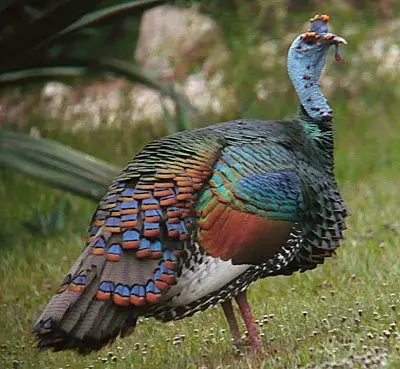
Ocellated turkey chicks captivate exotic poultry enthusiasts with their striking iridescent plumage and distinctive eye-like ocelli. Securing healthy poults and providing precise brooding conditions poses a challenge for first-time keepers. This guide delivers actionable insights on where to buy these rare chicks, detailed care protocols, breeding and incubation best practices, natural habitat and conservation status, health management, nutritional requirements, and practical enrichment techniques. You will learn how to source ethically raised poults, set up optimal brooders, navigate incubation timelines, support wild-habitat preservation efforts, and promote vigorous growth. By following these proven strategies, you can confidently raise Ocellated turkey chicks while contributing to species conservation and sustainable aviculture.
Where Can You Buy Ocellated Turkey Chicks and What Is Their Price?
Finding Ocellated turkey poults from reputable sources ensures genetic health and ethical breeding practices. Trusted farms prioritize biosecurity, pedigree records, and adherence to wildlife regulations. Prospective buyers must weigh cost against shipping logistics and seasonal availability, typically peaking in early spring.
Which Reputable Breeders and Farms Sell Ocellated Turkey Chicks?
Several specialized hatcheries maintain breeding programs aligned with conservation principles. These providers offer health-guaranteed poults raised without antibiotics and with thorough veterinary screening.
- Ethical Breeding Practices: Parent stock screened for genetic diversity and disease resistance.
- Health Certification: Chicks receive health checks and initial vaccinations before sale.
- Regional Climate Matching: Farms situated in temperate zones reduce shipping stress on poults.
Purchasing from ethical breeders promotes long-term viability of captive populations and supports preservation initiatives.
How Much Do Ocellated Turkey Chicks Typically Cost?
Ocellated turkey poult pricing reflects rarity, age, and breeder reputation. The table below outlines typical costs for various life stages:
| Stage | Age Range | Typical Price (USD) |
|---|---|---|
| Day-Old Chick | 0–7 days | 100–350 |
| Juvenile Poult | 2–8 weeks | 150–180 |
| Adult Pair | >12 months | 1,100–1,500 |
These figures guide budget planning and highlight the premium nature of Ocellated poults compared to domestic turkeys.
What Are the Shipping and Availability Considerations for Buying Chicks?
Efficient shipping and timely hatch schedules are crucial for poult survival. Consider these factors when placing orders:
- Seasonal Demand: Peak availability aligns with the March–April breeding season.
- Shipping Duration: Overnight express reduces stress-related mortality.
- Permit Requirements: Some regions require wildlife transport permits for exotic species.
Accounting for these aspects minimizes delivery delays and supports higher hatch rates upon arrival.
How Do You Properly Care for Ocellated Turkey Chicks?
Effective chick care combines precise environmental control, tailored nutrition, and proactive disease prevention. Early brooding conditions shape long-term health, while feed composition influences growth rates and feather development.
What Is the Ideal Brooder Setup for Ocellated Turkey Chicks?
A well-designed brooder maintains stable temperature, adequate space, and clean bedding. Optimal conditions include:
- Temperature Gradient: 95 °F (first week) reducing by 5 °F weekly until 70 °F.
- Space Allocation: Minimum 1.5 square feet per chick to prevent crowding.
- Bedding Material: Unbleached pine shavings provide insulation and absorb moisture.
Proper brooder design reduces stress and supports thermal regulation, laying the groundwork for vigorous development.
What Should You Feed Ocellated Turkey Chicks for Optimal Growth?
High-protein starter feed and strategic supplements drive muscle and feather formation. Key nutritional elements include:
| Feed Type | Protein (%) | Feeding Period |
|---|---|---|
| Starter Crumble | 26–28 | 0–6 weeks |
| Grower Pellets | 22–24 | 6–12 weeks |
| Layer-Developer Mash | 18–20 | >12 weeks |
Supplement with grit and fresh greens once chicks exceed 3 weeks of age. This regimen enhances digestive efficiency and nutrient absorption.
Early Nutrition and Poult Growth in Ocellated TurkeysInsufficient provision of nutrients leads to a deficiency in essential amino acids required for poult growth. Muscle development is contingent upon adequate nutrient intake, and research efforts are directed towards understanding the precise nutritional requirements of these birds to advance industry practices.Early stage turkey nutrition and ideal protein: implications for all aspects of poultry production., Unknown Author, 1997
How Do You Prevent and Manage Common Diseases in Ocellated Turkey Chicks?
Biosecurity and vaccination protocols mitigate disease risks such as blackhead and coccidiosis. Implement these measures:
- Isolation: House poults separately from other poultry species to avoid cross-infection.
- Sanitation: Disinfect feeders, drinkers, and brooder surfaces weekly.
- Vaccination Schedule: Administer coccidiosis vaccine at two weeks and consult an avian veterinarian for tailored protocols.
Maintaining strict hygiene and preventative care fosters a robust immune response and reduces morbidity.
When and How Should You Transition Chicks to Outdoor Enclosures?
Gradual acclimatization to outdoor conditions supports natural behavior and strengthens health. Follow this phased approach:
- Week 4 Introduction: Place chicks under covered runs during warm midday hours.
- Shelter and Shade: Provide predator-proof pens with overhead cover and secure sides.
- Monitoring: Observe for signs of stress or draft exposure, adjusting shelter orientation accordingly.
Transitioning in stages builds hardiness and prepares poults for free-range environments.
What Are the Key Aspects of Ocellated Turkey Breeding and Egg Incubation?
Successful breeding hinges on understanding seasonal mating behaviors, precise incubation parameters, and careful egg handling. These factors determine fertility rates and hatch success.
When Is the Breeding Season for Ocellated Turkeys and What Are Their Mating Behaviors?
Ocellated turkeys breed primarily from late March to mid-April within lowland forest clearings. Males perform elaborate displays—vibrant tail-fanning, head bobbing, and vocal drumming—to attract females. Courtship success depends on:
- Territory Selection: Males establish display zones with sparse vegetation.
- Visual Signals: Iridescent plumage and ocelli enhance female attraction under dappled sunlight.
- Social Hierarchy: Dominant males secure higher mating frequencies.
These behaviors synchronize with seasonal food availability, maximizing reproductive outcomes.
How Do You Incubate Ocellated Turkey Eggs Successfully?
Proper incubation replicates natural nest conditions of temperature stability and humidity control. Key parameters include:
- Temperature Regulation: Maintain 99.5 °F throughout the 28-day period.
- Humidity Control: Keep relative humidity at 55–60 % for the first 25 days, increasing to 65 % during hatch.
- Automatic Turning: Rotate eggs at least five times daily to prevent membrane adhesion.
Adhering to these settings yields optimal hatch rates and healthy poults.
What Are Best Practices for Handling and Storing Ocellated Turkey Eggs?
Egg viability depends on careful handling and short-term storage protocols. Follow these guidelines:
- Storage Temperature: Hold at 55–60 °F with 70 % humidity for up to 7 days.
- Orientation: Store eggs point-down on cushioned trays to maintain yolk centering.
- Pre-Incubation Wash: Avoid washing unless visibly soiled to preserve eggshell cuticle.
Implementing these practices sustains fertility and boosts incubation success when hatching.
What Is the Natural Habitat and Conservation Status of Ocellated Turkeys?
Understanding wild ecology and threats informs captive-breeding efforts that align with conservation goals. Preservation of natural populations depends on habitat protection and regulated use.
Where Do Ocellated Turkeys Live in the Wild?
Ocellated turkeys inhabit the Yucatán Peninsula’s tropical deciduous forests, marshlands, and abandoned farmlands across Mexico, Belize, and Guatemala. They favor dense understory patches near water sources and roost in tall trees at dusk. This habitat selection reduces predation risk and supports foraging on seeds, fruits, and insects. Recognizing these preferences guides the design of captive aviaries and habitat restoration projects.
Ocellated Turkey Habitat Use and Brood-Rearing BehaviorTurkeys were located daily throughout the nesting season, and subsequently, a minimum of three times per week during the brood-rearing period.Habitat use, reproductive behavior, and survival of ocellated turkeys in Tikal National Park, Guatemala, MJ Gonzalez, 1995
What Is the Conservation Status and What Threats Do They Face?
The IUCN classifies Ocellated turkeys as Near Threatened due to habitat loss and unsustainable hunting. Key threats include:
- Deforestation: Agricultural expansion fragments breeding and foraging grounds.
- Hunting Pressure: Unregulated trapping and shooting during breeding displays reduces recruitment.
- Climate Variability: Altered rainfall patterns impact food resource availability.
Conservation strategies must counter these pressures to stabilize wild populations.
What Conservation Efforts Are in Place to Protect Ocellated Turkeys?
Breeding programs and habitat reserves spearheaded by wildlife agencies and NGOs support species recovery. Notable measures include:
- Captive-Breeding Partnerships: Facilities share genetic stock to maintain diversity and supply ethical poults.
- Protected Area Designation: Establishment of community-managed reserves safeguards critical habitats.
- Legal Frameworks: National regulations restrict hunting seasons and enforce permit requirements.
Coordinated efforts between breeders and conservationists foster both avicultural innovation and species preservation.
How Should You Manage the Health and Development of Ocellated Turkey Chicks?
Tracking growth milestones, addressing health issues promptly, and implementing biosecurity measures ensure vigorous development. Early intervention and preventative care minimize losses and long-term complications.
What Are the Growth Milestones for Ocellated Turkey Chicks?
Ocellated poults exhibit predictable physical and behavioral stages:
- Hatch to Day 7: Soft down plumage, rapid yolk-sac absorption, and initial weight doubling.
- Weeks 2–4: Emergence of juvenile feather tracts, increased activity and foraging instincts.
- Weeks 5–8: Full feather replacement, social pecking order established, and average weight reaching 1.2–1.5 lb.
Monitoring these milestones guides nutritional adjustments and housing expansions.
How Do You Recognize and Treat Common Health Issues?
Early signs of distress include lethargy, poor feathering, and labored breathing. Common conditions and responses:
- Blackhead Disease: Look for sulfur-yellow droppings and treat with prescribed anticoccidial medication.
- Leg Spraddling: Provide supportive taping and adjustable brood flooring to correct splay-leg posture.
- Starve-Out: Detect by persistent weight lag; ensure constant feed access and supplemental feeding as needed.
Prompt veterinary consultation combined with supportive care reduces morbidity rates.
What Vaccination and Biosecurity Measures Are Recommended?
Preventative protocols fortify chick immunity and limit pathogen exposure. Implement these core measures:
- Vaccination Plan: Administer coccidiosis, Newcastle disease, and avian influenza vaccines as regionally advised.
- Facility Zoning: Separate breed stock, hatchery areas, and quarantine pens to contain outbreaks.
- Rodent and Pest Control: Secure feed storage and remove standing water to deter disease carriers.
Consistent biosecurity safeguards flocks and underpins sustainable breeding success.
What Does the Diet of Ocellated Turkey Chicks Consist Of?
A balanced diet matching wild foraging patterns promotes optimal growth, immune function, and feather quality. Understanding nutritional requirements prevents deficiencies and supports natural behaviors.
What Are the Nutritional Requirements for Growing Chicks?
Protein, vitamins, and essential minerals drive early development. Key dietary benchmarks include:
| Nutrient | Requirement | Source |
|---|---|---|
| Crude Protein | 26–28 % | Turkey starter feed |
| Calcium | 1.0–1.2 % | Oyster shell granules |
| Phosphorus | 0.5–0.7 % | Balanced mash feed |
| Vitamin A | 8,000–10,000 IU/kg | Dark leafy greens |
Providing formulated feed and natural foraging supplements ensures skeletal strength and robust feathering.
How Does Their Diet Compare to Wild Ocellated Turkeys?
Wild Ocellated turkeys consume a varied omnivorous diet of seeds, fruits, insects, and small vertebrates, yielding balanced macronutrients and micronutrients. Captive diets emulate this diversity by integrating:
- Fresh Produce: Berries, chopped greens, and corn kernels for antioxidants.
- Live Insects: Mealworms and crickets to stimulate natural foraging and protein intake.
- Grit Supply: Insoluble grit aids in mechanical digestion of seeds and plant matter.
Aligning captive nutrition with wild patterns fosters natural behaviors and digestive health.
What Are Common Questions About Raising Ocellated Turkey Chicks?
Many enthusiasts wonder about the comparative challenge, ethical sourcing, and enrichment techniques necessary for thriving flocks. Addressing these topics empowers informed decision-making and humane rearing practices.
Are Ocellated Turkeys Difficult to Raise Compared to Domestic Turkeys?
Ocellated poults require more precise temperature control, higher protein feed, and stricter biosecurity than domestic breeds. They exhibit greater flight-instinct behaviors and sensitivity to draft, demanding specialized brooders and secure pens. Adapting management protocols for these exotic poults yields rewarding visual and ecological benefits.
How Can You Ethically Source Ocellated Turkey Chicks?
Ethical sourcing centers on certified breeders who adhere to conservation-minded practices. Choose providers that:
- Participate in genetic diversity programs to avoid inbreeding.
- Donate a portion of proceeds to habitat protection initiatives.
- Comply with legal wildlife transport and permitting regulations.
Supporting these principles ensures long-term species viability and responsible aviculture.
What Are the Best Practices for Socializing and Enriching Chicks?
Behavioral enrichment and social integration foster natural flock dynamics and reduce stress. Effective strategies include:
- Group Brooding: Keep siblings together to establish pecking order gently.
- Environmental Enrichment: Introduce logs, safe plants, and low perches for exploration.
- Foraging Exercises: Scatter feed and live insects to stimulate natural search behaviors.
These practices enhance mental stimulation and prepare poults for adult social structures.
Ocellated turkey chicks reward dedicated keepers with dynamic plumage displays and vital contributions to species conservation. Applying these detailed breeding, brooding, and habitat-protection strategies fosters healthy flocks and enriches avicultural knowledge. By sourcing ethically, monitoring health proactively, and replicating natural diets, you support both captive success and wild population resilience. Embracing these methods ensures that each poult thrives and advances preservation of this near-threatened species.
| Quantity |
Single Chick ,Set of 3 Chicks ,Set of 5 Chicks |
|---|
Related products
Broad Breasted Bronze Turkeys
Chocolate Turkeys For Sale

Royal Palm Turkeys