
MIDGET WHITE TURKEY
Price range: $20.00 through $150.00
Midget White Turkey: Complete Guide to Characteristics, Farming, Meat Quality, Conservation, and Breed Comparisons
Midget White Turkey selecting the ideal heritage turkey breed can transform a small-scale farm into a sustainable, high-quality poultry operation. The Midget White Turkey is a compact heritage bird prized for its manageable size, pure white plumage, and exceptional meat and egg qualities. This guide explains its defining physical traits and temperament, outlines best practices for housing, feeding, breeding, and health management, explores culinary advantages of its meat and eggs, highlights conservation efforts, compares it with related breeds, details where to buy poults and eggs, and examines the economic benefits for backyard and small-scale farmers. Whether you plan to buy Midget White Turkey stock or simply deepen your understanding of heritage breeds, this article delivers a clear roadmap for success. Understanding these aspects provides a clear pathway to exploring the key characteristics that define the Midget White Turkey breed.
What Are the Key Characteristics of the Midget White Turkey?
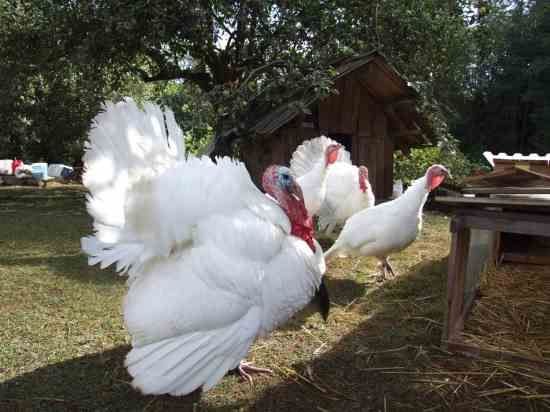
The Midget White Turkey is a rare heritage breed known for its small frame, pure white feathering, broad breast, and friendly disposition. Developed in the early 1960s, this bird offers efficient meat yield for limited-space operations while maintaining natural mating ability and reliable egg production. Its conservation status underscores the need for breeders and homesteaders to preserve genetic diversity. Recognizing these core attributes helps small-scale farmers leverage the Midget White’s advantages before diving deeper into specific traits.
What Physical Traits Define the Midget White Turkey?
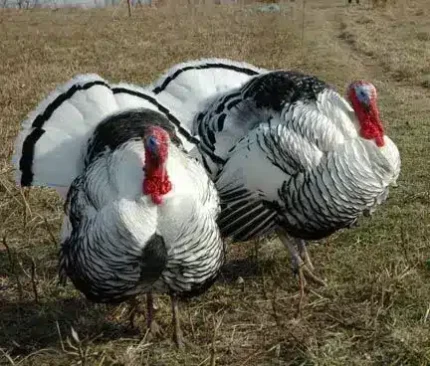
Midget White toms reach mature weights of 13–20 lbs and hens average 8–12 lbs, making them the smallest standard turkey variety. Their pure white plumage, broad and even breast musculature, and moderate leg bone structure contribute to balanced proportions and meat quality. Caruncle development is moderate, and beak and shank coloration remains light throughout life. These features ensure both aesthetic appeal and practical suitability for backyard flocks.
How Would You Describe the Temperament and Behavior of Midget White Turkeys?
Midget White Turkeys exhibit a consistently docile and friendly temperament, making them well-suited for close-knit homesteads. Their calm nature encourages easy handling during routine care tasks like weighing, vaccinating, and processing. As proficient foragers, they browse grass, insects, and garden weeds, reducing feed costs and weed pressure. This blend of tractability and foraging efficiency fosters a low-stress environment for birds and caretakers alike.
What Is the Historical Origin and Development of the Midget White Turkey?
The Midget White breed was developed at the University of Massachusetts Amherst in the early 1960s under the direction of Dr. J. Robert Smyth and colleagues. By crossing the Broad Breasted White and Royal Palm lines, researchers aimed to create a naturally mating, small-frame turkey with premium white plumage. Initial trials demonstrated consistent weight ranges and temperament, but interest waned as commercial broad-breasted varieties dominated markets. Recent heritage conservation initiatives have revived this breed, highlighting its genetic value and homestead appeal.
How Does the Midget White Turkey Compare to Its Parent Breeds?
| Breed | Average Weight | Mating Ability | Plumage | Typical Use |
|---|---|---|---|---|
| Broad Breasted White | Toms: 30–40 lbs | Requires artificial assistance | White | Large-scale meat |
| Royal Palm | Toms: 15–20 lbs | Natural | White with black accents | Exhibition & eggs |
| Midget White (Hybrid) | Toms: 13–20 lbs | Natural | Pure white | Small-farm meat & eggs |
How Do You Raise and Care for Midget White Turkeys on Small Farms?
Successfully raising Midget White Turkeys involves thoughtful attention to housing, nutrition, breeding management, and health protections tailored to their heritage status and compact frame. Implementing best practices ensures optimal growth, reproductive success, and welfare. The following subsections outline critical husbandry components.
What Are the Best Housing and Environmental Conditions for Midget White Turkeys?
Midget White Turkeys thrive in coops or barns with at least 4 sq ft per bird and ample natural light and ventilation. Elevated roosts placed 2–3 ft above ground accommodate their natural sleeping habits. A secure fenced area of 20–30 sq ft per bird supports free-range foraging while protecting against predators. Dry bedding materials such as straw or wood shavings reduce disease risk by managing moisture underfoot.
What Is the Optimal Feeding and Nutrition Plan for Different Life Stages?
- Brooding (0–8 weeks): Feed a 28% protein chick starter with coccidiostat support.
- Growing (8–16 weeks): Transition to 18–20% protein turkey grower.
- Pre-breeder (16–20 weeks): Introduce 16% protein layer pellets to promote reproductive development.
- Laying Hens (20+ weeks): Maintain 16% protein layer feed with calcium supplements for shell quality.
Balanced vitamins, minerals, and regulated access to fresh forage optimize weight gain and sustained egg production across all life stages.
How Is Breeding and Reproduction Managed in Midget White Turkeys?
Breeding Midget Whites leverages natural mating behaviors. A ratio of one tom to four hens encourages fertility while minimizing hen stress. Providing secluded nesting areas with straw-lined boxes supports broody behavior. Monitoring fertility through periodic candling of hatching eggs ensures hatch-rate targets exceed 70%. When fertility declines, rotating toms and hens every breeding season preserves vigor.
What Are Common Health Issues and Disease Management Practices?
Common concerns include blackhead disease (Histomoniasis), coccidiosis, and parasitic infestations. Implementing a biosecurity plan with controlled visitor access, disinfected equipment, and routine fecal testing reduces outbreak risk. Providing garlic-infused water and diatomaceous earth dusting deters external parasites naturally. Prompt isolation of symptomatic birds and veterinary-approved treatments for coccidiosis ensure herd health and productivity continuity.
What Makes Midget White Turkey Meat and Eggs Unique in Culinary Use?
Midget White Turkeys produce tender, succulent meat and large, richly flavored eggs that enhance both savory and sweet dishes. Their meat’s fine muscle fibers yield consistently juicy roasts, while eggs boast vibrant yolks prized by chefs. These culinary distinctions stem from the breed’s balanced musculature and foraging habits.
How Does Midget White Turkey Meat Taste and What Is Its Flavor Profile?
The meat exhibits a mild, traditional turkey flavor with notably tender breast cuts and well-rendered dark meat. Fine-grained muscle fibers contribute to a buttery mouthfeel, and foraging on pasture imparts subtle herbaceous notes. Reduced gameiness compared to wild varieties appeals to a wider audience, making it ideal for holiday roasts and everyday dishes alike.
What Are Popular Recipes and Culinary Uses for Midget White Turkey Meat?
- Roasted Whole: Spice-rubbed and slow-roasted yields crisp skin and succulent breast.
- Stewed Thighs: Slow-cooked with root vegetables for hearty, savory stews.
- Bone Broth: Simmered carcass produces gelatin-rich stock with intense flavor.
These methods showcase the turkey’s tenderness and unlock layered umami that elevates soups, gravies, and sauces.
How Productive Are Midget White Turkey Hens in Egg Laying and What Are Their Uses?
Midget White hens lay 60–80 large cream-white eggs per year, displaying reliable seasonal production. Their eggs average 60 g and possess strong shells, making them suitable for collection and sale on small markets. Hobby bakers prize these eggs for crafting rich custards, quiches, and breakfast dishes due to their high yolk-to-white ratio.
Why Are Midget White Turkey Eggs Valued in Baking and Pastry?
Culinary research indicates turkey eggs contain elevated levels of lecithin and fat-soluble vitamins, enhancing emulsification and richness in pastry doughs and desserts. French culinary institutes report improved texture in brioche and macarons when substituting chicken eggs with turkey eggs. This quality advantage makes Midget White turkey eggs an artisanal specialty in baking circles, justifying premium pricing.
Why Is Conservation Important for the Midget White Turkey and How Is It Supported?
As a heritage breed listed “Critical” by The Livestock Conservancy and featured in Slow Food USA’s Ark of Taste, the Midget White Turkey represents essential genetic diversity. Conservation initiatives ensure long-term viability of this rare strain, safeguarding heritage traits and supporting sustainable agriculture.
What Is the Conservation Status of the Midget White Turkey?
The Livestock Conservancy classifies the Midget White as Critical, indicating fewer than 200 breeding birds in the United States and fewer than 200 annual registrations. This status highlights urgent need for breeder participation and public awareness to prevent genetic erosion.
This critical status is further detailed by breed census data.
Midget White Turkey Breed Census and Conservation StatusThe SPPA research encompassed hatcheries and private breeders, including both male and female specimens, and any poultry designated as a variety by the breeder. The census figures for the distinct varieties were: Bourbon Red 931, Royal Palm 717, Bronze 365, Black 211, Midget White 151, Slate 143, Narragansett 87, Buff 62, White Holland 38, Auburn 27, Lilac 24, Silver Auburn 19, Chocolate 12, Royal Nebraskan 8, Wisconsin 6, Spotted NebTurkey conservation in the United States, P Johnson, 2000
How Do Organizations Like The Livestock Conservancy and Slow Food USA Support This Breed?
These organizations document population trends, maintain breed registries, and offer breeder grants to expand genetic lines. Slow Food USA’s Ark of Taste raises consumer awareness by promoting endangered foods. Collaborative programs supply educational materials, facilitate breeder workshops, and host conservation sales events to boost breed numbers.
The population numbers gathered by these organizations are crucial for understanding the breed’s status.
Midget White Turkey Population Data and Breed VarietiesThe SPPA research encompassed hatcheries and private breeders, including both male and female specimens, as well as any variations designated as a breed by the breeder. The census figures for the various breeds were as follows: Bourbon Red 931, Royal Palm 717, Bronze 365, Black 211, Midget White 151, Slate 143, Narragansett 87, Buff 62, White Holland 38, Auburn 27, Lilac 24, Silver Auburn 19, Chocolate 12, Royal Nebraskan 8, Wisconsin 6, Spotted Neb.Turkey conservation in the United States, P Johnson, 2000
What Is the History of Near-Extinction and Recovery Efforts?
After initial popularity, the Midget White plummeted in the 1970s as commercial broad-breasted turkeys dominated markets. Concerted efforts in the 1990s by heritage poultry advocates and university researchers reinvigorated breeding programs. Dedicated family farms preserved founder flocks, while nonprofit partnerships amplified conservation reach through public events and media coverage.
The detailed census data underscores the importance of these recovery efforts.
Conservation Efforts and Population Numbers for the Midget White Turkey BreedThe SPPA research encompassed hatcheries and private breeders, including both male and female specimens, and any varieties the breeders identified. The census figures for the various breeds were: Bourbon Red 931, Royal Palm 717, Bronze 365, Black 211, Midget White 151, Slate 143, Narragansett 87, Buff 62, White Holland 38, Auburn 27, Lilac 24, Silver Auburn 19, Chocolate 12, Royal Nebraskan 8, Wisconsin 6, Spotted NebTurkey conservation in the United States, P Johnson, 2000
How Can Small Farms and Homesteads Contribute to Midget White Turkey Conservation?
By integrating Midget White Poults into flock rotation, homesteaders maintain diverse bloodlines and generate surplus hatching eggs for exchange. Hosting breed fairs and educational tours elevates community interest. Implementing breeding plans that avoid inbreeding and tracking lineage through simple records preserves genetic health and fosters sustainable heritage programs.
How Does the Midget White Turkey Compare to Other Small Heritage Turkey Breeds?
Understanding similarities and differences among small heritage breeds informs breeding choices, market positioning, and culinary use. The following table compares key dimensions:
| Breed | Mature Weight | Egg Yield | Temperament | Distinctive Feature |
|---|---|---|---|---|
| Beltsville Small White | Toms: 18–23 lbs | 60–75 eggs | Slightly flighty | Cream-white plumage origin from 1930s USDA program |
| Midget White | Toms: 13–20 lbs | 60–80 eggs | Docile | Pure white plumage; natural mating |
| Broad Breasted White | Toms: 30–40 lbs | 40–50 eggs | Passive | High meat yield; artificial insemination required |
What Are the Differences Between Midget White and Beltsville Small White Turkeys?
While both breeds share compact builds and white feathering, the Midget White typically weighs 20% less, matures faster, and demonstrates a calmer temperament. Egg production is marginally higher in Midget Whites, and their genetic lineage traces to university programs focused on adaptability and conservation.
How Does Midget White Turkey Compare to Broad Breasted White Turkeys?
Broad Breasted Whites excel in mass meat production but depend on artificial insemination and large facilities. In contrast, Midget Whites thrive on free-range forage, breed naturally, and require minimal space. Their slower growth yields richer flavor and healthier fat distribution, offering a premium product for niche markets.
What Are Other Heritage Turkey Breeds Related to Midget White?
- Royal Palm: Distinctive black-and-white plumage and moderate size.
- Narragansett: Tricolored feathers, sturdy build, and calm demeanor.
- Bourbon Red: Red-mahogany plumage, excellent for both meat and exhibition.
Where and How Can You Buy Midget White Turkeys, Poults, and Eggs?
Securing healthy Midget White stock from reputable sources ensures flock vitality and supports breed conservation. Knowing where and when to buy optimizes availability and cost.
What Are the Best Sources for Purchasing Midget White Turkey Poults and Breeding Stock?
Established heritage hatcheries maintain closed-flock biosecurity and record pedigrees to guarantee authenticity. Local conservation groups and poultry associations often run pullet swaps and hatching-egg exchange programs. Purchasing directly from small-scale breeders helps sustain community-based conservation networks.
What Should Buyers Know About Pricing, Availability, and Shipping?
Poults generally cost $10–$15 each, with hatching eggs priced at $3–$5 per egg plus shipping. Availability peaks in spring to align with natural breeding cycles. Buyers should consider seasonal demand, potential shipping stress on poults, and quarantine requirements to minimize disease introduction.
How to Choose Healthy Midget White Turkeys for Your Farm or Homestead?
Select vigorous poults with bright eyes, clean vents, and active foraging behavior. For breeding stock, inspect adult birds for sound leg structure, balanced weight distribution, and confirmed pedigrees. Avoid overly friendly birds that may indicate imprinting on humans rather than proper social development.
What Are the Economic and Practical Benefits of Raising Midget White Turkeys on Small Farms?
Midget White Turkeys offer a balanced mix of profitability, manageability, and sustainability tailored to small-farm scales. Their meat and egg yields support both direct sales and household use, while conservation premiums can command higher market prices.
How Profitable Is Raising Midget White Turkeys for Meat and Eggs?
Cost-analysis data indicates feed-to-meat conversion ratios near 3:1, with dressed weights of 10–16 lbs per bird. Selling whole birds at $5–$7 per pound or eggs at $0.50–$1.00 each generates attractive margins for heritage producers. Reduced overhead on housing and labor further improves net returns.
Why Are Midget White Turkeys Ideal for Backyard and Small-Scale Farming?
Their compact size, docile temperament, and natural mating capacity fit backyard layouts and family farms without requiring specialized equipment or large flocks. Foragers reduce supplemental feed costs, and reliable egg production adds ongoing value beyond a single harvest.
What Are Success Stories from Homesteaders Raising Midget White Turkeys?
One midsize hobby farm reported doubling profits by marketing day-old poults and pastured birds at farmers’ markets. Another homesteader increased egg-based product sales by 25% after introducing turkey eggs for artisanal pastries. Such case studies highlight how heritage midget white turkey enterprises elevate both income and community engagement.
Midget White Turkeys embody the synergy of heritage conservation, culinary excellence, and small-farm viability. By understanding their characteristics, husbandry needs, culinary strengths, and conservation importance, farmers and homesteaders can successfully integrate this breed into sustainable operations and support its continued preservation.
| Quantity |
Male ,Female ,Chick |
|---|
Related products
Broad Breasted Bronze Turkeys
Chocolate Turkeys For Sale
Royal Palm Turkeys