
Price range: $200.00 through $300.00
Yellow Golden Pheasant for Sale
Buy Yellow Golden Pheasant Online
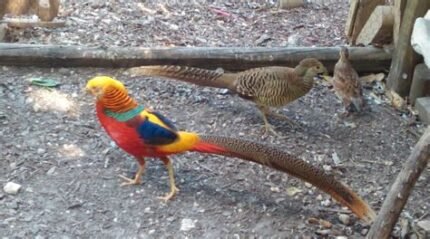
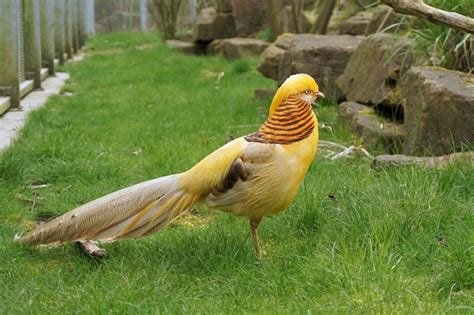
Looking to buy Yellow Golden Pheasant online? This striking ornamental bird is a great choice for breeders, collectors, and bird keepers who want something rare, beautiful, and different from the usual pheasant varieties. Yellow Golden Pheasants are admired for their bright appearance, graceful build, and strong visual appeal, making them a standout addition to aviaries and rare bird collections.
If you want a pheasant that draws attention and adds value to your collection, Yellow Golden Pheasant is a strong choice. This bird is often sought after by people who appreciate ornamental birds and want a pheasant that offers both beauty and rarity.
Why Choose Yellow Golden Pheasant
Yellow Golden Pheasant is a popular option for buyers who want an ornamental bird with a distinct look. Its appeal comes from its color, elegant appearance, and the way it stands out among other pheasant breeds. For many buyers, this is not just another bird purchase. It is an investment in a pheasant that brings character and attraction to an aviary or breeding setup.
This bird is suitable for keepers who enjoy rare pheasants, want to build a stronger ornamental bird collection, or are looking for birds that make a lasting impression. A well-kept Yellow Golden Pheasant can become one of the most eye-catching birds in your setup.
A Great Choice for Aviaries and Collectors
Yellow Golden Pheasants are often chosen by aviary owners who want to improve the look and variety of their bird collection. Their presence can add more interest to an enclosure and give collectors a bird that feels special and uncommon.
For breeders, this pheasant can also be a valuable addition to a focused ornamental bird program. For collectors, it offers rarity and beauty in one bird. For bird lovers who simply want something different, it provides a more unique option than many standard bird listings online.
What Makes This Bird Special
Rare Appeal
Yellow Golden Pheasant is not the kind of bird buyers overlook. It is often chosen because it brings something uncommon to a collection.
Ornamental Value
This pheasant is valued by buyers who want birds known for appearance and presentation.
Strong Buyer Interest
People searching for Yellow Golden Pheasant for sale are often already interested in making a purchase. They are looking for a direct and trustworthy product page, not vague information.
Yellow Golden Pheasant for Breeders
If you are a breeder looking for ornamental pheasants, Yellow Golden Pheasant can be a useful addition to your breeding stock. Buyers interested in rare birds often look for varieties that have beauty, demand, and collector appeal. This bird checks those boxes and gives breeders a product that can attract attention from serious bird buyers.
A product page for this bird should reflect that value clearly. It should not sound generic. It should sound like a real listing for a rare and desirable bird. That is why the content needs to focus on what the buyer wants to know and why this bird is worth the purchase.
Yellow Golden Pheasant for Bird Lovers
Not every customer buying this bird is a breeder. Some are bird lovers who simply want a beautiful pheasant for their aviary or private collection. Yellow Golden Pheasant is a great option for those buyers because it combines rarity with visual appeal. It gives collectors the chance to own a pheasant that stands apart from more common options.
This makes the bird attractive to a wide group of buyers. Some want beauty. Some want rarity. Some want to expand an existing collection. Some want a pheasant that feels more premium than standard listings.
Product Content That Helps Buyers Trust the Page
When someone lands on a Yellow Golden Pheasant product page, they should quickly understand what is being offered and why it is worth their attention. The page should feel clear, direct, and focused on the bird. Strong product content helps build trust because it shows the customer that the listing is serious, specific, and written with the buyer in mind.
That matters for SEO too. Search engines respond better to pages that clearly match what the customer is searching for. A page that stays centered on Yellow Golden Pheasant for sale has a better chance of ranking than one filled with vague wording or generic filler.
Full Product Description
Yellow Golden Pheasant for sale for buyers who want a rare ornamental bird with beauty, appeal, and strong collector value. This pheasant is a great choice for aviaries, breeding setups, and bird collections that need a more distinctive and eye-catching addition.
Known for its striking appearance, Yellow Golden Pheasant is often chosen by breeders, collectors, and bird keepers who want something beyond the ordinary. It offers visual charm and rarity, making it a valuable bird for anyone interested in ornamental pheasants.
This bird is a strong fit for buyers building a rare bird collection, improving an aviary, or looking for pheasants with standout presence. A good product page should make that clear from the start. It should show why Yellow Golden Pheasant is worth buying and why it stands apart from other pheasant varieties.
For collectors, this bird brings uniqueness and beauty. For breeders, it offers value as part of an ornamental bird setup. For aviary keepers, it provides color, interest, and a premium feel that many buyers want when shopping for rare pheasants online.
If you are searching for Yellow Golden Pheasant for sale, this product should be presented as a direct and reliable choice. The content should stay focused on the bird, the buyer, and the value of the purchase. That is what helps turn a basic listing into a page that can rank better and sell better.
FAQ
Is Yellow Golden Pheasant a good bird for collectors?
Yes. It is a strong option for collectors who want a rare ornamental pheasant with standout visual appeal.
Who usually buys Yellow Golden Pheasant?
Breeders, aviary keepers, collectors, and bird lovers looking for rare pheasants often choose this bird.
Why is Yellow Golden Pheasant popular?
It is popular because of its rare appearance, ornamental value, and strong appeal among buyers who want something different.
| Choose |
Male ,Female |
|---|