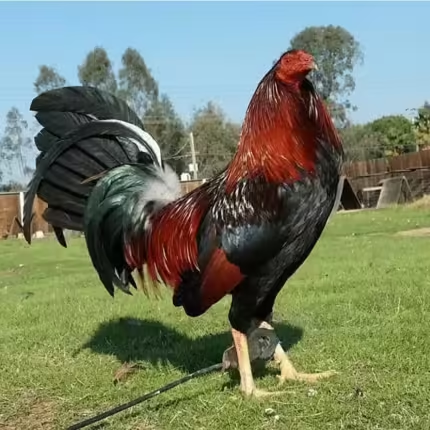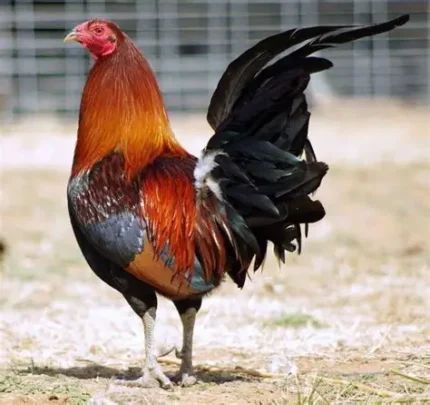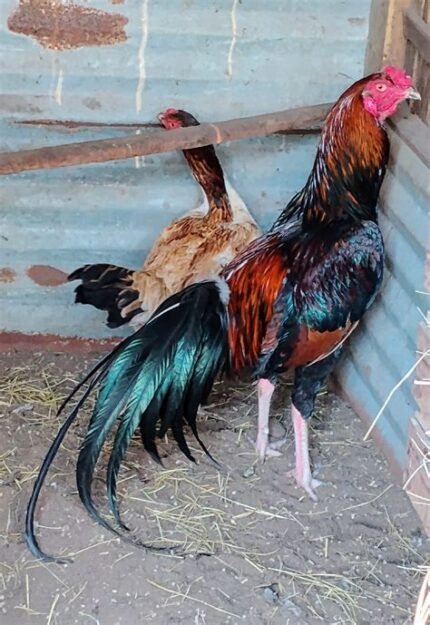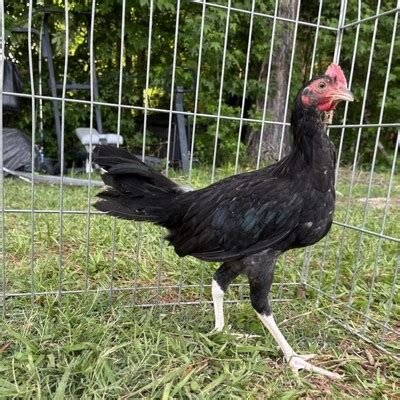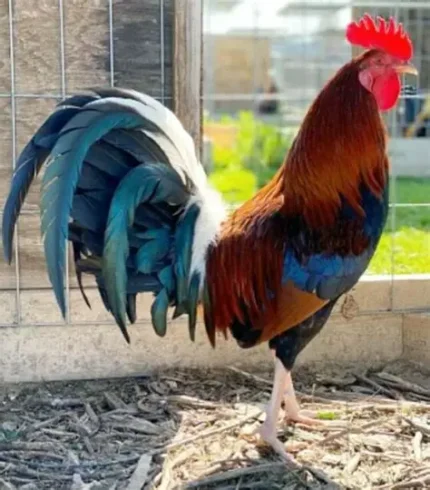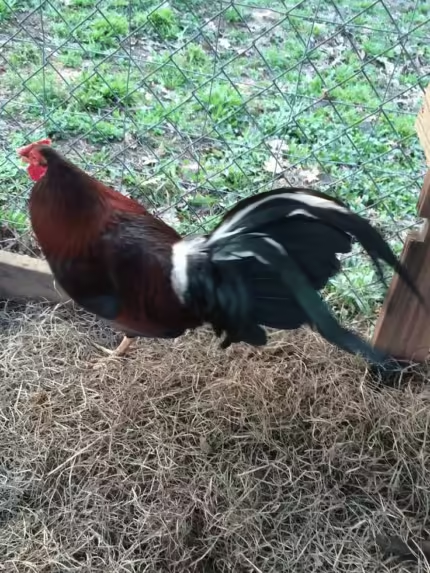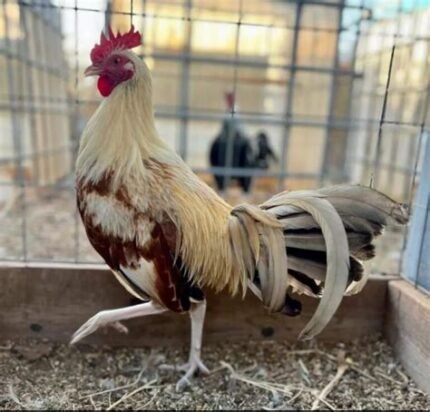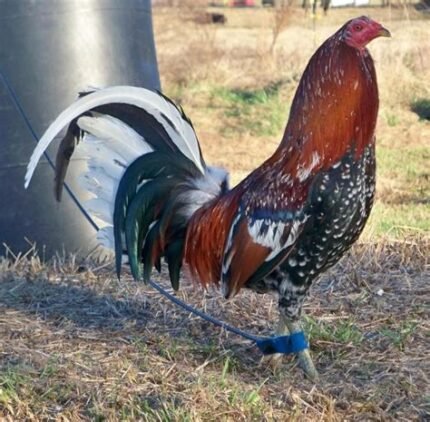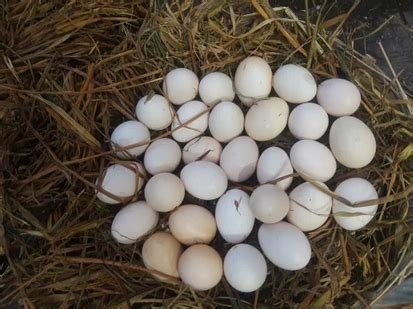
GameFowl Hatching Eggs
$100.00
GameFowl Hatching Eggs for Sale
Buy GameFowl Hatching Eggs Online
Buy gamefowl hatching eggs online if you want to start with fertile eggs and raise birds from the earliest stage. These eggs are a strong option for breeders, keepers, and buyers looking for a direct way to hatch gamefowl with the right incubation setup and careful handling from the start.
Gamefowl hatching eggs are often chosen by buyers who want more control over the process from day one. Instead of waiting to buy older birds, you can begin with fertile eggs and hatch them in your own incubator. For many buyers, that is the most practical way to build a flock or start a breeding plan with birds raised under their own care from the beginning.
Why Choose GameFowl Hatching Eggs
Gamefowl hatching eggs are a good choice for buyers who want fertile eggs for incubation and future flock development. They appeal to people who are looking for a direct buying option rather than a weak product page with little detail. Buyers searching for this product usually want to know that the eggs are intended for hatching, that the listing is clear, and that the page gives enough information to buy with confidence.
This product should be presented as a real purchase option for people who want to hatch strong birds from carefully selected eggs. The page should feel clear and focused, not buried under generic filler.
Product Overview
These gamefowl hatching eggs are meant for incubation and raising birds from the earliest stage. They are suited for buyers who want a simple path into hatching gamefowl, whether for breeding plans, personal flock goals, or general bird keeping.
A strong product page should explain the value of starting with fertile eggs. It should help the buyer understand that this is not just a random listing. It is a product built for people who want to hatch birds themselves and take part in the process from the beginning.
The indexed search snippet already frames these eggs as the ideal starting point for raising strong, healthy birds. That angle is useful, but the live page should lead with the product itself first.
Who These Eggs Are Best For
Breeders
Gamefowl hatching eggs are a good option for breeders who want to begin with fertile eggs and manage the hatch from the start.
Keepers Building a Flock
Buyers building a flock may prefer hatching eggs because it gives them more involvement in the process and a direct route to raising birds under their own care.
Buyers Looking for Fertile Eggs Online
Some buyers are searching specifically for fertile gamefowl eggs for sale online. A good page should make it immediately clear that this product fits that need.
Handling and Incubation
After delivery, hatching eggs should be allowed to rest before being placed into a stable incubator. Buyers should use a calibrated incubator with proper temperature, humidity, and consistent egg turning during the incubation period. Hatch success can vary based on egg handling, shipping conditions, incubator stability, fertility, and overall hatch practice.
A short section like this helps the page because it answers a real buyer question without turning the whole page into a general guide. The page can still include useful incubation support while keeping the product offer front and center.
Why Buyers Want GameFowl Hatching Eggs
Many buyers want to start with eggs because it gives them a direct beginning point. They want fertile eggs that can be incubated properly and turned into strong birds with the right care. That makes this product appealing to people who want a more hands-on start instead of buying birds later in the growth cycle.
FAQ Section
What are gamefowl hatching eggs?
Gamefowl hatching eggs are fertile eggs sold for incubation so buyers can hatch and raise birds from the beginning.
Who should buy gamefowl hatching eggs?
They are a good choice for breeders, keepers building a flock, and buyers looking for fertile eggs for incubation.
Are these eggs meant for incubation?
Yes. The indexed page language frames them as a starting point for raising birds from the beginning, which supports incubation intent.
What affects hatch success?
Handling, shipping conditions, incubator setup, temperature, humidity, turning routine, and fertility all affect hatch results.
Why is this a good keyword to target?
It is specific, buyer-focused, and matches the exact product search people are likely to use when ready to buy.